
5 simple outdoor goals you can actually keep in 2026
January 21, 2026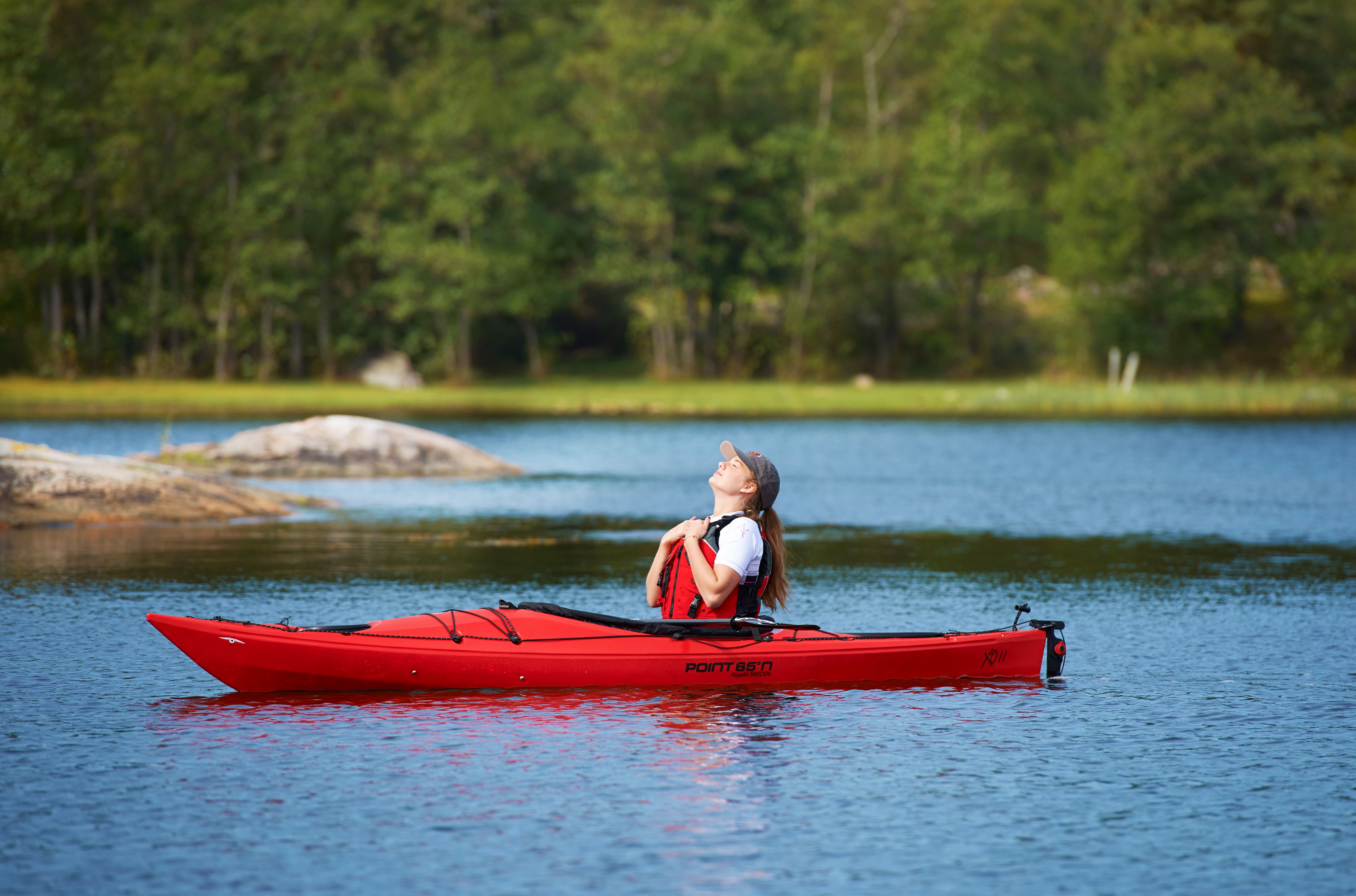
New year, new habits – without pressure
January often feels like a natural pause button. A moment to breathe, reflect, and begin again. For many of us, it acts as a psychological reset. Our motivation is high, routines feel possible, and there’s a collective sense that change is in the air. This is what researchers call the fresh start effect: the tendency to embrace new habits after meaningful moments like holidays, birthdays or the turning of the year. And because we all experience the New Year together, that feeling is especially strong.
Still, even with all that motivation, the familiar “New Year, New Me” mindset can quickly become heavy. Big promises, long to-do lists, and unrealistic expectations often stand in the way of habits that actually last. Instead of feeling inspired, we end up feeling pressured.
At Kayakomat, we believe that real change doesn’t come from doing more, it comes from making things simpler. When goals feel light, accessible, and enjoyable, they naturally become part of everyday life. That’s why this year isn’t about radical transformations or perfect routines. It’s about small moments of movement, fresh air, and time outdoors that fit into real schedules and real lives.
In this blog, we’ll share 5 simple outdoor goals that fit into real life. The goals don’t demand more time or discipline, but invite you to slow down, get outside and reconnect - with yourself, with nature and with movement.
1. Spend Time Outdoors Once a Week
Keep it flexible and focus on consistency, not durationOutdoor time doesn’t need a strict definition. A short walk around the block, stepping onto your balcony, sitting on a bench, or standing by an open window with fresh air all count. The goal is simply to be outside, not to meet a certain standard. Ten minutes each week builds far more momentum than a grand plan you postpone again and again. Consistency gently trains your brain to expect and accept outdoor time as part of normal life. Over time, those ten minutes often grow naturally without effort.
Let it become a habit
Anchor outdoor time to moments that already exist in your routine. For example:
- A short walk before starting work
- Eating lunch outside when possible
- Stepping out after dinner instead of sitting down immediately
When outdoor time is attached to something familiar, it stops feeling like an extra task.
2. Plan One Easy Outdoor Experience per Month
Planning one easy outdoor experience per month can be a simple but meaningful habit. It doesn’t require dramatic scenery or long trips. Sometimes a new walking route, a park you’ve never visited, a quiet hour near the water or a short kayak session close to shore is enough. What matters isn’t how far you go, but that you step outside your usual routine.
Keeping this goal sustainable means making it easy to say yes. Choose experiences that need little planning and no special clothing.When outdoor time fits naturally into your day, it becomes something you look forward to rather than another obligation. Most importantly, this monthly moment isn’t about performance. It’s about allowing yourself to be there without expectations.
3. Redefine Outdoor Movement
Movement outdoors does not have to feel like a workout. It can be gentle, slow, and restorative. Walking, cycling, swimming, stretching in the sun or spending time on the water all count as meaningful outdoor movement. Kayaking, in particular, is a wonderful way to move mindfully. Paddling encourages smooth, repetitive motion, gently engages your core and naturally sets a steady breathing rhythm. The water invites you to slow down and synchronize with your surroundings, making movement feel effortless rather than forced. Being on the water also helps you let nature set the pace. In this way, kayaking turns simple movement into a mindful practice, helping you reconnect with both body and mind while enjoying the outdoors.
4. Try something new outside once per season
Four seasons, four experiencesEach season offers its own atmosphere and unique ways to move outdoors
Spring: fresh air, early mornings, quiet renewal
- Activities: gentle hiking, short trail runs, kayaking on rivers or lakes, cycling through budding landscapes.
Summer: long evenings, warm light, stillness
- Activities: swimming in lakes or the sea, paddleboarding, evening runs, casual beach volleyball or kayaking in warm sunlight.
Autumn: cool walks, shifting colors, grounding energy
- Activities: forest hiking, nature walks to enjoy foliage, light trail running or outdoor yoga in a park.
Winter: crisp air, silence, clarity
- Activities: walking or hiking in snow, cross-country skiing, ice skating
5. Be outdoors without distractions
Spending more time outdoors without distractions, it does not need to take hours or require elaborate plans. Just a few minutes away from notifications, tracking apps, and the pressure to capture every moment can help your mind reset.
As you step outside, pay attention to small details. Notice the sound of wind in the trees, the movement of clouds across the sky or the natural rhythm of your breath. These little observations quietly anchor you in the present, reminding you that progress does not always come from doing more. Sometimes it comes from simply being.This resolution is not about achievement or improvement. It is about giving yourself permission to slow down, to reconnect with nature, and to let your mind rest.
You don’t need to change everything this year. Let these goals be gentle reminders to step outside, slow down, and reconnect. Small moments in nature, repeated over time, are often the ones that stay.


