
Kayaking safety tips: Stay safe on the water with confidence
March 30, 2026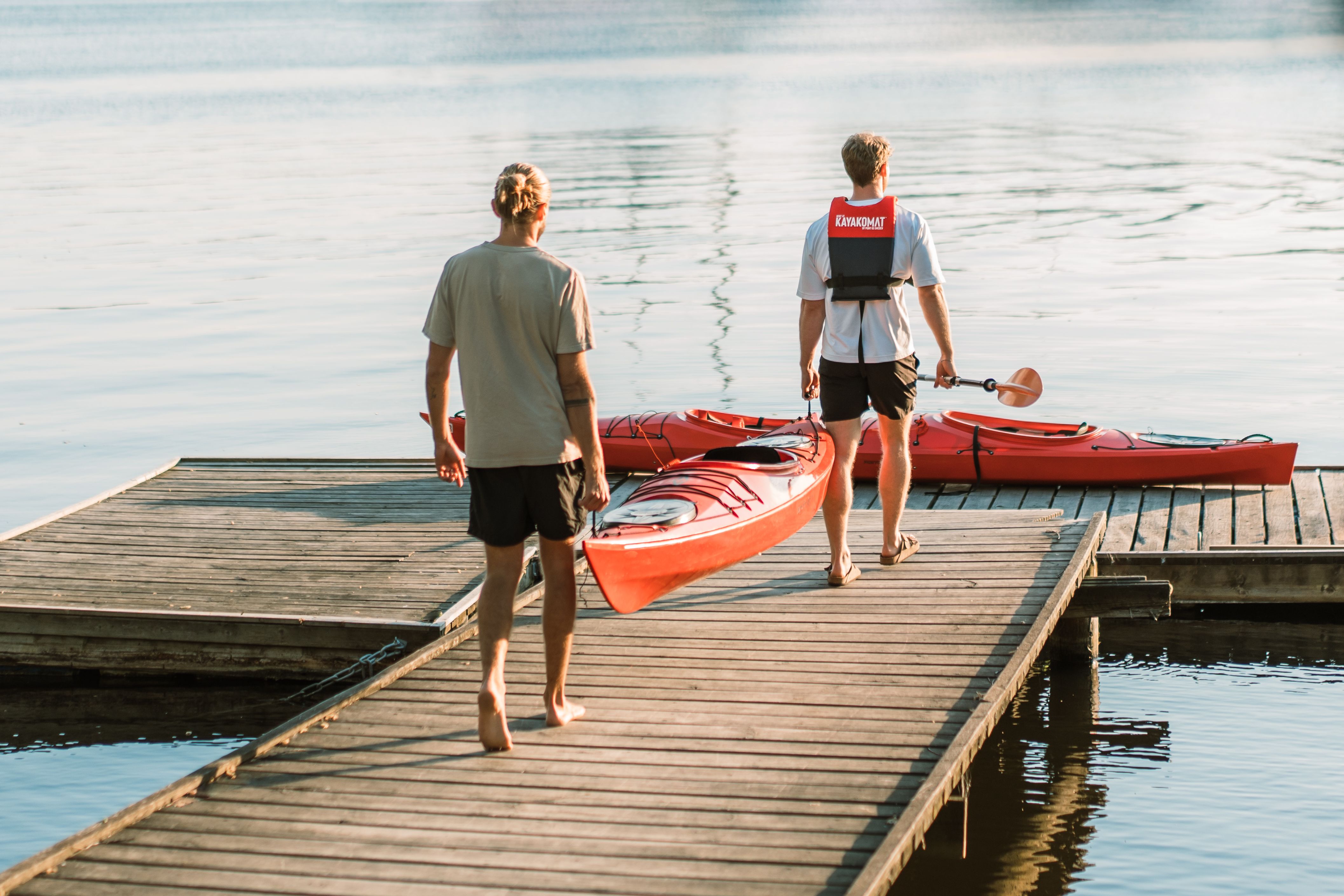
Kayaking is one of the best ways to explore nature, relax, and stay active. But to fully enjoy it, you need to stay safe on the water. These kayaking safety tips will help both beginners and experienced paddlers prepare properly, avoid common risks, and paddle with confidence.
1. Preparation for kayaking: Essential safety basics before you go
Good preparation is the foundation of kayaking safety. The most important rule is simple: always wear a properly fitted life jacket. Even experienced swimmers can struggle in cold water, strong currents, or unexpected conditions.
Before heading out, always check the weather forecast. Wind, rain, and temperature changes can quickly turn a calm paddle into a risky situation. If conditions look uncertain, it’s better to postpone your trip.
When it comes to clothing, many beginners make the same mistake: dressing for the air instead of the water. Cold water can cause hypothermia within minutes, even on a warm day.
Before you go kayaking, make sure you:
- Wear a properly fitted life jacket
- Check weather and wind conditions
- Dress for the water temperature
- Avoid cotton and choose technical layers
2. Getting ready at the launch site: Safe setup and entry
Before entering the water, it’s important to properly set up your gear and handle your kayak safely. Kayakomat stations are convenient for this. On each station you will find life jackets, paddles, and spray skirts (for sit-inside kayaks) for your adventure on the water.
- Put on your life jacket by pulling it over your head and fastening the strap securely between your legs
- Assemble your paddle correctly
- Put on the spray deck so it fits snugly like a skirt (for sit-inside kayaks)
- Carefully carry the kayak down to the launch area
- Enter the kayak slowly and steadily to avoid tipping
- Attach the spray deck securely over the cockpit and make sure all hatches are properly closed (sit-inside kayaks only)
- Secure the paddle leash to the kayak so you don’t lose your paddle in the water
Taking a few extra minutes to prepare properly at the shore can prevent accidents and give you a much more stable start. For visual guidance, check out this video on how to put on your safety equipment: Watch on YouTube

3. Kayaking safety on the water: Skills, awareness, and best practices
Once you are on the water, safety depends on your awareness and basic skills.
Staying close to shore is one of the easiest ways to reduce risk, especially for beginners. It keeps you in calmer water and within reach of help if needed.
At the same time, having basic kayaking skills is essential. You should be comfortable paddling, steering, stopping, and reacting if something goes wrong.
Key skills every kayaker should know:
- How to paddle efficiently
- How to steer and stop
- How to perform a wet exit
- How to re-enter a kayak after capsizing
Whenever possible, avoid kayaking alone. Paddling with others significantly improves safety. If you go solo, always share your route and expected return time.
Situational awareness is just as important as technique. Watch for boat traffic, changing weather, currents, and obstacles like rocks or submerged logs. Stay visible with bright clothing, and always carry a whistle. Always remember: plan ahead, paddle with care, and use resources like Kayakomat to ensure your adventures on the water are safe, smooth, and unforgettable.


